
B2B Product Configurator Software for eCommerce | Benefits & Examples
Table of Contents
- What is a Product Configurator in eCommerce?
- Type of B2B Product Configurators?
- Do B2B eCommerce Customers Want Product Configurators?
- Benefits of Product Configurators for B2B eCommerce
- How ERPs and Product Configurators Interact with One Another
- Wrapping Up Product Configuration for B2B eCommerce
- About commercebuild
B2B businesses are constantly seeking innovative solutions to meet the diverse and complex needs of their clients. One such innovation that has revolutionized the industry is the product configurator.
These dynamic tools empower businesses to offer tailored solutions, enhance customer satisfaction, and streamline the purchasing process. By leveraging the power of product configurators, companies can provide a more personalized shopping experience, driving both customer loyalty and sales growth.
At the heart of this technological advancement lies the seamless integration of eCommerce platforms like commercebuild, with robust ERP systems such as Microsoft Dynamics 365 Business Central, Sage 300, and Sage X3. This integration ensures that all configurations are not only accurate but also efficiently managed across the supply chain, reducing errors and improving operational efficiency.
In this article, we will explore the significant impact of product configurators on B2B eCommerce, highlighting their benefits, key features, and the competitive edge they offer to businesses in the eCommerce space.
Whether you are looking to enhance your current eCommerce strategy or adopt a new approach to product customization, understanding the role of product configurators is crucial in today’s digital marketplace.
What is a Product Configurator in eCommerce?
A product configurator in B2B eCommerce is a sophisticated digital tool that enables customers to tailor products to their precise specifications before making a purchase. This tool offers an interactive interface where users can choose from a variety of attributes, such as size, color, material, and additional features, creating a product that perfectly meets their needs.
A product configurator can provide real-time visualization and dynamic pricing updates, ensuring customers have a clear understanding of their customized product and its cost. This not only enhances the customer experience but also allows businesses to handle complex orders more efficiently, minimize errors, and streamline production processes.
Type of B2B Product Configurators?
When it comes to B2B eCommerce, not all product configurators are created equal. Different types of configurators cater to varying business needs and product complexities, offering unique features and capabilities to enhance the customer experience and streamline the sales process.
In this section, we will explore the main types of B2B product configurators and their specific benefits.
1. 2D Visual Product Configurator
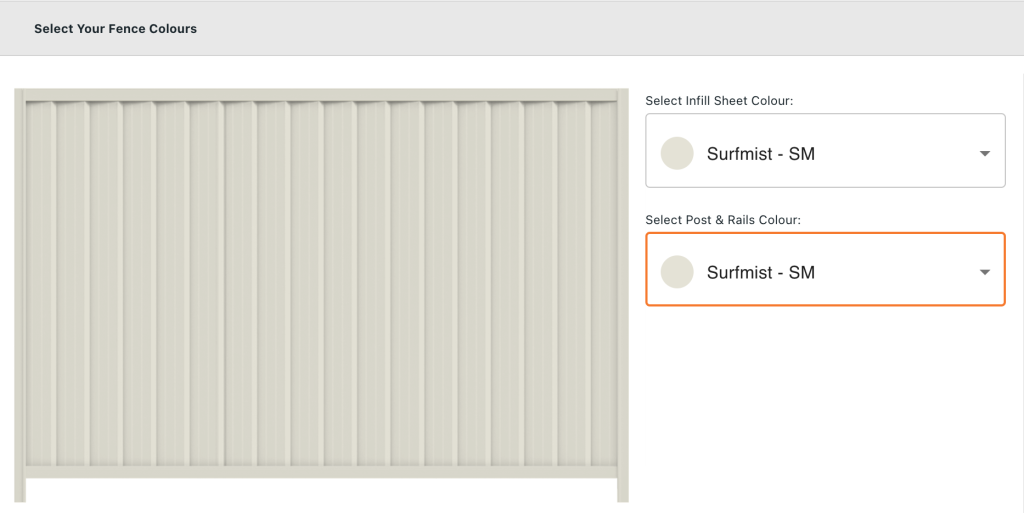
*Image from our customer Oxworks‘ site.
2D Visual Product Configurators are interactive tools that allow customers to customize and visualize products in a two-dimensional space. These configurators provide a flat, graphical representation of the product, enabling users to select various options such as colors, materials, and components.
As customers make their selections, the 2D visual updates in real-time, offering an immediate and clear view of the configured product. This type of configurator is particularly useful for products with significant visual elements, such as clothing, packaging, or interior design components.
By providing an accurate depiction of the final product, 2D visual product configurators help reduce ambiguity, enhance customer confidence in their purchase decisions, and streamline the order process by ensuring precise specifications are communicated.
2. Interactive 3D Product Configurator
Interactive 3D Product Configurators are advanced tools that allow customers to engage with and customize products in a three-dimensional virtual environment. These configurators offer a dynamic, 360-degree view of the product, enabling users to rotate, zoom in, and examine it from every angle.
Customers can select various options such as colors, materials, features, and accessories, with real-time updates reflecting their choices in the 3D model. This immersive experience provides a highly detailed and accurate visualization, making it particularly beneficial for complex or high-value products like machinery, vehicles, or bespoke furniture.
Interactive 3D product configurators enhance the customer experience by offering a deeper understanding of the product, fostering greater confidence in purchase decisions, and reducing the likelihood of errors or misunderstandings in orders.
3. Augmented Reality (AR) Product Configurator
Augmented Reality (AR) Product Configurators take customer engagement to the next level by blending digital customization with the physical world. These configurators allow users to overlay a digital version of the product onto their real-world environment using a smartphone, tablet, or AR glasses.
Customers can interact with and customize the product in real-time, adjusting features such as size, color, materials, and components. The AR technology enables users to see how the product will look and fit in their actual space, providing a tangible sense of scale and context that traditional 2D or 3D configurators cannot offer.
This immersive experience is particularly advantageous for products like furniture, home decor, industrial equipment, or any item where spatial fit and real-world visualization are crucial. By offering a highly interactive and realistic preview, AR product configurators enhance customer confidence, reduce returns, and help businesses stand out in a competitive market.
4. Calculation & Measurement Product Configurators
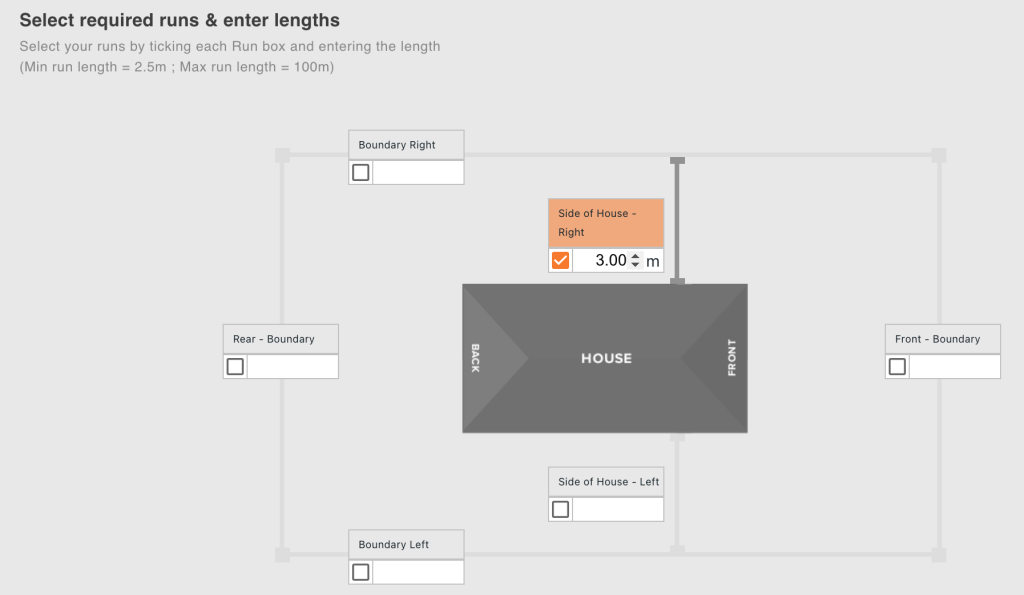
Calculation & Measurement Product Configurators are specialized tools designed to handle products that require precise dimensions, calculations, or custom measurements. These configurators enable customers to input specific measurements and parameters, which the system then uses to generate a customized product configuration that meets those exact requirements.
This type of configurator is particularly useful for industries such as construction, manufacturing, and custom fabrication, where accurate sizing and fitting are critical.
For instance, a customer might need a specific length of piping or a custom-sized piece of furniture. The calculation & measurement configurator would allow the user to input the required dimensions, and it would automatically adjust the product specifications accordingly.
Additionally, it can perform complex calculations related to weight, volume, load-bearing capacity, and other technical specifications to ensure that the product not only fits but also functions as intended.
By streamlining the process of configuring products with precise measurements, these configurators enhance accuracy, reduce the risk of errors, and improve overall efficiency. They also provide immediate feedback on feasibility and pricing, helping customers make informed decisions quickly and confidently.
Do B2B eCommerce Customers Want Product Configurators?
The growing demand for product configurators in B2B eCommerce is driven by the increasing need for customization, enhanced decision-making, and operational efficiency. B2B customers often require products tailored to their specific needs, and configurators provide an intuitive platform for these customizations.
Tools like interactive 3D and augmented reality configurators offer real-time visualization and instant feedback, helping customers make informed decisions with confidence. This level of personalization is essential in B2B transactions, where precision and accuracy are crucial to avoid costly errors and delays.
Furthermore, offering advanced product configurators provides a significant competitive advantage in the B2B market. Businesses that integrate these tools into their operations can attract more customers by offering a seamless and customized buying experience.
Integration with ERP systems like Microsoft Dynamics 365 Business Central, Sage 300, and Sage X3 ensures that configurations are efficiently managed across the supply chain, supporting accurate order fulfillment and resource management. As customer expectations continue to evolve, the adoption of product configurators is becoming increasingly essential for B2B eCommerce success.
Benefits of Product Configurators for B2B eCommerce
In the realm of B2B eCommerce, product configurators offer a multitude of benefits that can significantly enhance business operations and customer satisfaction.

1. Customization & Personalization
The benefits of customization and personalization offered by product configurators are profound, particularly in the B2B sector where client needs can be highly specific and complex.
By allowing customers to tailor products to their exact specifications – choosing features, materials, dimensions, and more – configurators provide a bespoke solution that standard products often cannot match.
This high degree of personalization not only meets individual customer requirements but also enhances satisfaction by ensuring the final product aligns perfectly with their expectations. Moreover, the ability to offer unique, customized products enables businesses to stand out in a competitive market, catering to niche demands and building stronger, more loyal customer relationships.
This tailored approach fosters a sense of partnership and value, as clients feel their unique needs are being recognized and addressed, leading to increased trust and repeat business.
2. Efficiency in Ordering Process
The efficiency brought by product configurators in the ordering process is a game-changer for B2B eCommerce, significantly reducing errors and streamlining operations. These configurators capture detailed and precise customer specifications from the outset, minimizing the risk of miscommunication and mistakes that can arise from manual order entry.
By automating the configuration and quote generation processes, businesses can ensure that each order is accurate and aligned with production capabilities. This efficiency not only speeds up the order-to-delivery cycle but also reduces the administrative burden on sales and support teams, allowing them to focus on higher-value tasks.
Furthermore, streamlined processes mean quicker turnaround times, increased productivity, and enhanced customer satisfaction, as clients receive their customized products faster and with fewer issues. This operational excellence translates into cost savings, better resource management, and a more responsive and agile business model.
3. Increased Sales & Revenue
Product configurators open up significant upselling opportunities and boost conversion rates, ultimately driving increased sales and revenue for B2B businesses. By offering an interactive and engaging customization experience, configurators can suggest complementary products, upgrades, and premium features during the configuration process.
These suggestions are strategically presented based on the customer’s selections, encouraging them to consider additional options they might not have initially thought of. This not only enhances the overall value of the order but also enriches the customer’s experience by providing tailored recommendations that meet their needs.
The clarity and precision provided by configurators reduce hesitation and build confidence in the purchasing decision, leading to higher conversion rates. As a result, businesses benefit from larger average order values and a more robust bottom line, leveraging the power of personalized selling to maximize revenue.
4. Enhanced Customer Experience
Product configurators significantly enhance the customer experience by providing an interactive platform that serves as a powerful visualization tool. Customers can actively engage with the product customization process, making real-time adjustments to features, colors, materials, and other specifications.
This interactivity allows them to see a detailed, visual representation of their configured product, helping them understand exactly what they are ordering. The ability to rotate, zoom, and examine the product from different angles, especially with advanced 3D or augmented reality configurators, offers a tangible sense of the final product.
This immersive experience not only builds customer confidence by reducing uncertainty but also makes the purchasing process more enjoyable and satisfying. As a result, businesses can foster stronger customer relationships and loyalty by meeting their clients’ specific needs and expectations through a highly engaging and transparent buying journey.
5. Cost Savings
Product configurators greatly enhance inventory management and operational efficiencies, leading to substantial cost savings for businesses. By capturing precise customer specifications and generating detailed product configurations, these tools ensure that only the necessary materials and components are ordered and stocked, reducing the likelihood of overproduction and excess inventory.
This streamlined approach minimizes waste and optimizes the use of resources, translating into lower inventory holding costs and reduced capital tied up in unsold stock.
Furthermore, product configurators integrate seamlessly with ERP systems, such as Microsoft Dynamics 365 Business Central, Sage 300, and Sage X3, ensuring that inventory levels are automatically updated and aligned with real-time demand.
This integration facilitates better forecasting and planning, enhancing the overall efficiency of supply chain operations. Businesses can then achieve significant cost savings through improved inventory accuracy, reduced material waste, and more efficient resource allocation, all while maintaining high levels of customer satisfaction through timely and accurate order fulfillment.
6. Improved Marketing & Analytics
Product configurators play a crucial role in generating valuable data insights that empower businesses to refine their marketing strategies and enhance analytics capabilities. By tracking customer preferences, trends in customization choices, and purchasing behaviors, configurators provide rich data that can be analyzed to uncover actionable insights.
These insights enable businesses to better understand their customers’ needs and preferences, allowing for more targeted marketing campaigns and personalized messaging.
The data gathered from configurators can also inform product development decisions, guiding companies in creating offerings that resonate more effectively with their target audience. By leveraging these insights, businesses can optimize their marketing efforts, improve customer engagement, and ultimately drive higher conversion rates and sales.
This data-driven approach not only enhances marketing ROI but also fosters a deeper understanding of customer behavior, positioning companies for long-term growth and competitive advantage in the B2B marketplace.
7. Competitive Advantage
Product configurators significantly contribute to market differentiation and customer loyalty, providing businesses with a distinct competitive advantage. By offering highly personalized and interactive customization options, these tools enable companies to stand out in a crowded market where standard, off-the-shelf products are the norm.
Customers appreciate the ability to tailor products to their exact specifications, which not only meets their unique needs but also enhances their overall satisfaction and engagement. This personalized approach fosters stronger customer relationships and builds loyalty, as clients are more likely to return to a company that offers a superior, customized buying experience.
Additionally, the innovative use of product configurators signals a commitment to cutting-edge technology and customer-centric service, further distinguishing a business from its competitors. This differentiation, combined with the loyalty and repeat business it generates, translates into a sustainable competitive edge that drives long-term success.
8. Scalability
Product configurators enhance scalability for businesses by offering adaptable solutions and facilitating global reach. These versatile tools can easily be adjusted to accommodate a wide range of products, industries, and customer preferences, allowing businesses to efficiently scale their operations as they grow.
The flexibility of configurators means that they can handle increasing product complexity and volume without compromising accuracy or efficiency. Moreover, configurators support multiple languages and currencies, making it easier for businesses to expand into international markets and cater to a diverse global clientele.
This adaptability not only streamlines the process of managing varied product lines and meeting different regional requirements but also ensures a consistent and high-quality customer experience worldwide.
As a result, businesses can scale their operations seamlessly, entering new markets and reaching a broader audience while maintaining operational efficiency and customer satisfaction.
9. Reduced Returns
Product configurators significantly reduce returns and boost client confidence by providing detailed, precise specifications for customized products. When customers use configurators, they can see real-time updates and visualizations of their selected options, ensuring they understand exactly what they are ordering.
This clarity minimizes the likelihood of misunderstandings or errors, resulting in products that meet the customers’ expectations accurately. The comprehensive detail captured during the configuration process ensures that every aspect of the product aligns with the customer’s needs and preferences, leading to higher satisfaction upon delivery.
Consequently, this precision reduces the incidence of returns due to incorrect or unsatisfactory products, fostering greater trust and confidence in the purchasing process. As clients experience reliable and accurate order fulfillment, their confidence in the business grows, encouraging repeat purchases and long-term loyalty.
10. Support for Complex Products
Product configurators excel in supporting complex products by offering detailed customization options that cater to specific and intricate customer requirements. These advanced tools allow users to configure multiple aspects of a product, such as dimensions, materials, colors, features, and accessories, ensuring that each customized product precisely meets their unique needs.
For industries dealing with sophisticated machinery, modular systems, or bespoke items, configurators simplify the process of specifying and visualizing intricate components and configurations.
This capability is crucial for businesses that offer highly specialized or technical products, as it enables customers to create tailored solutions that standard products cannot provide.
By facilitating thorough and precise customization, product configurators not only enhance customer satisfaction but also empower businesses to manage complex orders efficiently and accurately, leading to better resource utilization and a more streamlined production process.
How ERPs and Product Configurators Interact with One Another
The integration of Enterprise Resource Planning (ERP) systems with product configurators creates a powerful synergy that enhances the efficiency and accuracy of business operations.
ERPs, such as Microsoft Dynamics 365 Business Central, Sage 300, and Sage X3, manage critical business functions including inventory, production, sales, and finance. When seamlessly integrated with product configurators, they provide a comprehensive solution that streamlines the entire order-to-delivery process.

The integration of Enterprise Resource Planning (ERP) systems with product configurators creates a powerful synergy that enhances the efficiency and accuracy of business operations.
ERPs, such as Microsoft Dynamics 365 Business Central, Sage 300, and Sage X3, manage critical business functions including inventory, production, sales, and finance. When seamlessly integrated with product configurators, they provide a comprehensive solution that streamlines the entire order-to-delivery process.
Real-Time Data Synchronization
Product configurators and ERPs interact through real-time data synchronization, ensuring that all customer configurations are accurately captured and reflected in the ERP system.
This means that as customers customize their products, the ERP system automatically updates inventory levels, production schedules, and order details. This seamless flow of information reduces the risk of errors and ensures that the business can efficiently manage resources and meet customer demands.
Streamlined Order Processing
The interaction between ERPs and product configurators streamlines order processing by automating the transfer of configuration data into production and sales workflows. Once a customer completes their product configuration, the details are immediately available in the ERP system, triggering necessary actions such as generating bills of materials, updating inventory requirements, and scheduling manufacturing tasks.
This automation speeds up the order fulfillment process, reduces lead times, and enhances overall operational efficiency.
Improved Inventory Management
Integrating ERPs with product configurators improves inventory management by providing real-time insights into inventory levels and material requirements. As customers configure their products, the ERP system adjusts inventory counts and forecasts demand for specific components.
This proactive approach helps businesses maintain optimal inventory levels, reduce stockouts or overstock situations, and improve the overall efficiency of their supply chain.
Wrapping Up Product Configuration for B2B eCommerce
Staying ahead of market demands requires innovative tools that enhance customer experience and operational efficiency. Product configurators have emerged as a pivotal technology, offering significant benefits such as enhanced customization, improved order accuracy, and streamlined processes.
By integrating seamlessly with ERP systems, these configurators ensure that product configuration management is precise and efficient, reducing errors and fostering customer satisfaction.
As B2B eCommerce trends continue to evolve, the ability to offer personalized products and efficient service will remain crucial. Product configurators not only meet these demands but also provide businesses with valuable data insights, enabling targeted marketing and better decision-making.
Moreover, the interactive and immersive experience they offer helps differentiate businesses in a competitive market, driving customer loyalty and repeat business. It’s initiatives like these that increase user adoption rates in eCommerce stores.
Embracing product configurators is not just a technological upgrade but a strategic move that aligns with the future of B2B eCommerce. By leveraging these tools, businesses can enhance their scalability, optimize inventory management, and ultimately achieve a robust competitive advantage.
As the landscape of B2B eCommerce continues to shift, product configurators will be an essential component of successful customer-centric strategies.
About commercebuild
commercebuild is the missing piece in transforming your ERP data into a truly personalized eCommerce experience. Flexible and frictionless, our turnkey eCommerce solution delivers 24/7 revenue opportunities to you and your customers. Quick to deploy and easy-to-use, we eliminate the need for middleware between the storefront and ERP data to enable seamless online buying and selling.
Our solutions can be live in 30-days and offer complete eCommerce capabilities at a price B2B and B2C businesses can afford.
Drive revenue growth for you, and your customers, while enjoying rapid ROI for both. Go head-to-head with the online retail giants of the world, and win. Experience a solution that integrates with your ERP data and provides automagical cross-sell and upsell opportunities to every customer on your site.
At the height of ecommerce growth, commercebuild offers scalable, reliable, and robust eCommerce solutions for everyone.
If your business is using Sage 300, Sage X3 or Microsoft Dynamics 365 Business Central ERPs, commercebuild can build a ERP-driven B2B and B2C eCommerce webstore or Customer Portal.

Our Fact Checking Process
We prioritize accuracy and integrity in our content. Here's how we maintain high standards:
- Expert Review: All articles are reviewed by subject matter experts.
- Source Validation: Information is backed by credible, up-to-date sources.
- Transparency: We clearly cite references and disclose potential conflicts.
Your trust is important. Learn more about our Fact Checking process and editorial policy.
Our Review Board
Our content is carefully reviewed by experienced professionals to ensure accuracy and relevance.
- Qualified Experts: Each article is assessed by specialists with field-specific knowledge.
- Up-to-date Insights: We incorporate the latest research, trends, and standards.
- Commitment to Quality: Reviewers ensure clarity, correctness, and completeness.
Look for the expert-reviewed label to read content you can trust.